

In this edition:
1 SUPER POWER
How to INTRODUCE it in your team
How to DEVELOP it
How to use RELATIONSHIPS to harness it
Something just for you COACH
WHY this matters

Is your team ready for adversity? How do you know? What are the metrics? How do you observe those? Ready isn’t something you can fake.
- Coach Castillo

Intro
Every coach knows the moment: the whistle is hanging in the air, the crowd fades into the background, and everything you’ve built is about to be put on the line. But what separates the teams that thrive under pressure from the ones that crumble isn’t luck—it’s how you’ve braced for the impact.
In this edition we’re digging into what it means to prepare with purpose and lead with readiness: tightening your standards because easy doesn’t build character; initiating the tough, honest conversations before adversity finds you; and molding a team culture where vulnerability, courage, and connection aren’t optional—they’re expected. You won’t wait for the season’s defining moment. You’ll create it. You’ll set the tone, model the posture, and invite your athletes into a mindset where the real game is reflected in how they show up in life.
Because when the scoreboard lies, when the distraction looms, when you’re down and the sidelines echo with tension—the team you’ve built won’t just respond. They’ll rise. They’ll hold each other accountable. They’ll live the standard you believed they could. And in that moment, you won’t just coach a team—you'll impact lives.
"Strength and growth come only through continuous effort and struggle"
In one recent study, athletes who felt they could speak freely and even admit mistakes described better relationships with their coach and teammates—trust rose, commitment rose, and readiness rose.
Develop
When coaches and teams “brace” for impact—tighten standards, have hard conversations, face self & team weaknesses—they must rely on psychological safety. Because if athletes fear reprisal, embarrassment or exclusion for being honest or vulnerable, the culture will shut down: learning stops, trust erodes, & performance suffers.
Quick Tips!
Model vulnerability: Share a mistake you made recently, what you learned, how you corrected it. This signals that mistakes aren’t fatal—they’re part of growth.
Normalize hard conversations: Make “we talk about the tough things” part of your language: “We’ll talk about what’s going well, what’s not, and what we’re doing about it.” When you run those in practice, you’re bracing for impact in the safe space of preparation.
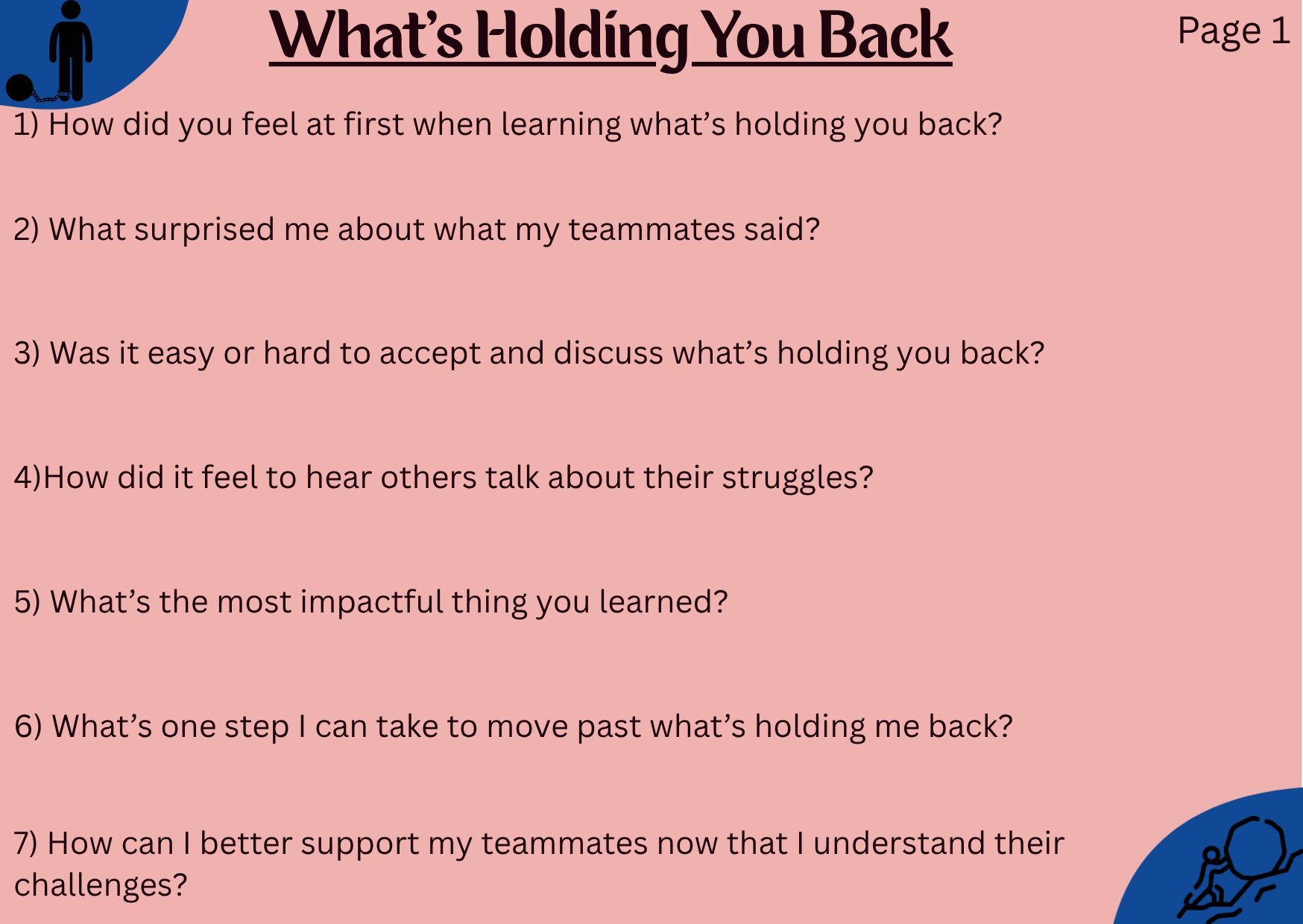
I use this activity and reflection with my team to intentionally create hard realizations and conversations

"You can't be brave if you've only had wonderful things happen to you."
When athletes feel safe to speak up, they’re more likely to raise issues that affect their well-being and performance.
How ready do you feel your team is — right now — to handle adversity?
Relationships
When adversity hits, talent isn’t what steadies your team — trust is.
Readiness isn’t just physical preparation or tactical sharpness. It’s relational. It’s built in the quiet, consistent moments when coaches and athletes learn how to be honest with each other, how to listen without defensiveness, and how to speak truth even when it’s uncomfortable.
The strongest teams don’t wait for impact to test their bonds — they build them before the whistle blows. They use connection as a competitive advantage.

"It's your reaction to adversity, not adversity itself, that determines how your life's story will develop"

A 2022 study from the Journal of Applied Sport Psychology found that athletes who reported strong, supportive relationships with their coaches and teammates were 42% more likely to demonstrate resilience and recover more quickly from setbacks.
Use the link to CONNECT with me for a FREE 30 minute meeting and let’s talk about how we can help your team build their connections. I can’t wait to visit with you!
Just For You Coach
Your impact on your athletes is a “Performance Enhancing Substance”
As the leader you are the standard setter for your team’s culture and connection. Are you open to feedback? Do you seek strategies to make your team culture better? What’s your personal growth strategy? How are you helping your assistant coaches grow as leaders? What are the steps you take to build team culture from day 1?
If you don’t have answers to these questions… you aren’t practicing self-awareness, you’re simply not prepared, and you’re not ready to impact.
And, you’re not feeding your own wellness.

"By failing to prepare, you're preparing to fail." - Benjamin Franklin
In a study examining the dynamic relationships between cultural values, training intensity, nutrition, self-efficacy, and coaching quality on athletes' performance, the results showed a significant correlation between the coach’s readiness and the athletes’ performance and self-efficacy.
In short, when we’re balanced, centered, working in our purpose, vulnerable, and prepared to build culture, our athletes’ performances and self belief are enhanced.
Why This Matters
You have to take care of yourself, before you can take care of anyone else.
In all honesty, I could stop there.
To “brace” means you have to know yourself, be in control, and tighten up what’s weak. Know who you are and what your values are. Ask yourself the question: Am I my best right now? Don’t run from the answer. Ask further: How can I be ready to impact “Them.”
We also have to be prepared in terms of planning what we’ll use to impact our athletes and how we plan on impacting them. We have to create a space of psychological safety so we can make hard conversations part of our team’s love language.
These things teach them to:
Learn from failure instead of wallowing in shame
Receive truth
Engage in difficult dialogue with curiosity NOT criticism
Seek to grow daily — Lifelong learning
Prioritize self care with the purpose of serving others (Servant Leadership)
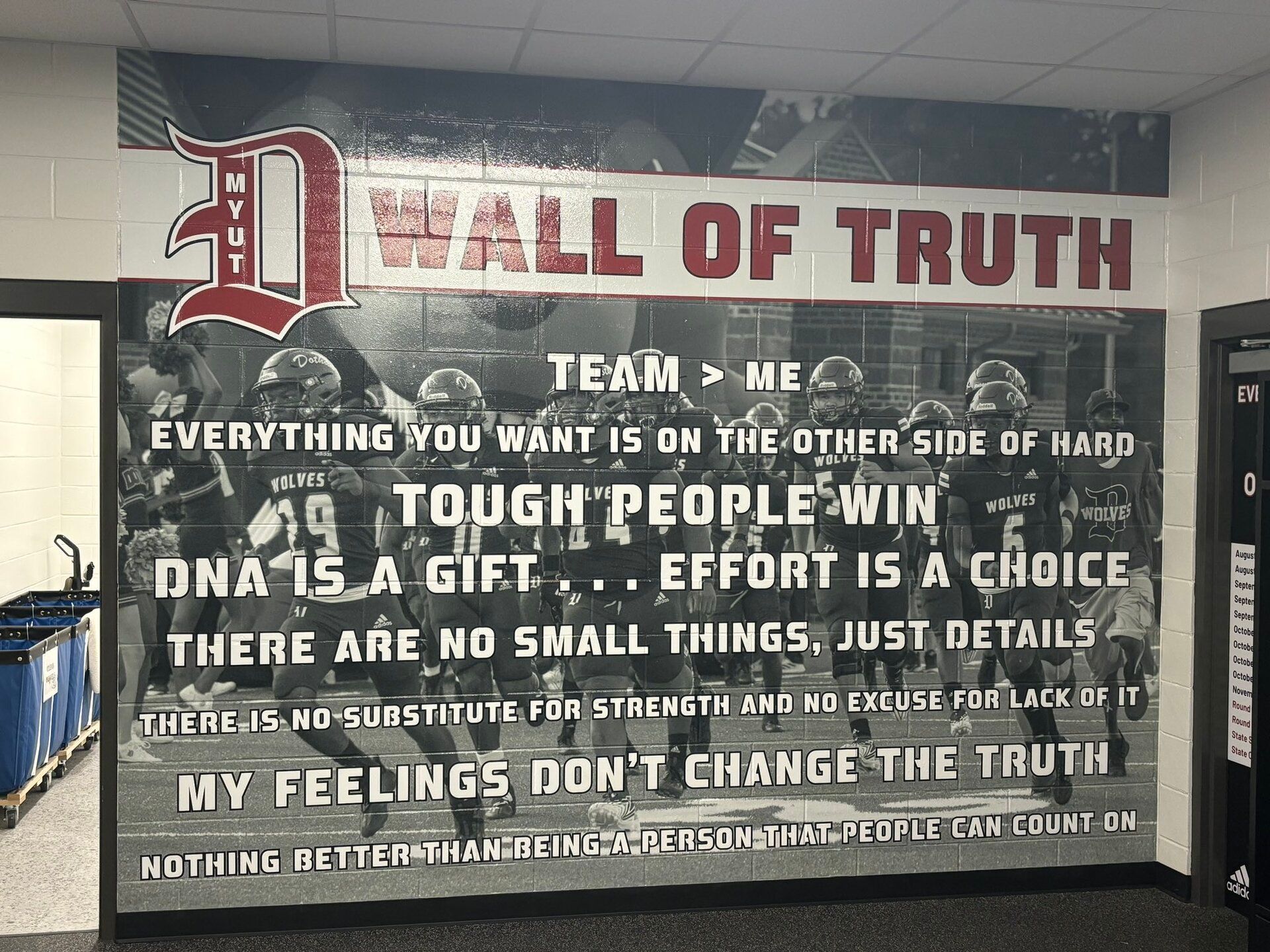
"Strength does not come from winning. Your struggles develop your strengths." - Michael Jordan

Coach, it’s time to brace. Elevate the expectation. Sharpen the readiness. Let’s lead beyond the field.
Do you know a coach or friend who’d enjoy this newsletter? Pass it along! Send me an email at [email protected] and I’ll send you a highly effective teammate connection assessment tool!

Coach Castillo’s Challenge of The Week: Sit down with your spouse or family, coaching staff, and a couple of team leaders. Have a notebook and pen/pencil ready. Ask them: “How do I need to grow in order to impact you more positively.” Find a mirror and repeat the question. When you’ve lived out the answers, ask your players to find a notebook, pen,…..and a mirror.
Lead, Live, Play Beautiful
Have A Blessed Week,
